01 / flagship ecosystem

inplayLIVE

Media Ecosystem Podcast Network Content Systems Ads / Promo Education

An evolving sports media and betting ecosystem supported across curriculum, podcasting, promo, retreat media, and the broader content system surrounding the brand.

Hit play to watch the clip.

00:00
00:00
What needed to change

High-output media usually breaks at the seams.

The challenge here was not one isolated asset. It was building a system that could keep pace with an evolving company across podcasts, education, retreat media, promo material, and broader brand support, without losing coherence or production value.

What I built

A broader media operating layer: visual language, show packaging, ad creative, promotional surfaces, retreat media, curriculum support, and repeatable content structures that let the output scale without flattening the brand.

Hit play to watch the clip.

00:00
00:00
Media proof sequence
  • Podcast packaging and repeatable show surfaces
  • Promo assets and paid-social-ready motion deliverables
  • Retreat / documentary-style support media
  • Course and curriculum visuals tied into a broader trust system
What changed
  • Output became more systemized without feeling generic
  • The brand could move across more surfaces with less friction
  • The company gained a stronger content engine around its core voice
Handoff

From long-term ecosystem thinking to concept-born brand building.

The next chapter shifts from supporting an evolving machine to shaping a media identity from the ground up.
02 / concept into media arm

Army of Great Men

Brand Build Podcast / Media Merch Generated Ads Creative Direction

A concept-first podcast brand shaped into a growing media arm with a distinct visual voice, promotional ecosystem, and expanding cultural footprint.

Context

Some concepts need identity before they need scale.

This began as a developing idea. The work was about turning it into something with enough narrative coherence, visual structure, and promotional energy to actually function as a public media brand.

What I built

Identity direction, promotional language, merch-ready visual surfaces, generated ad concepts, show packaging, and a recognizable visual system that could grow as the project became more culturally relevant.

Hit play to watch the clip.

00:00
00:00

Hit play to watch the clip.

00:00
00:00
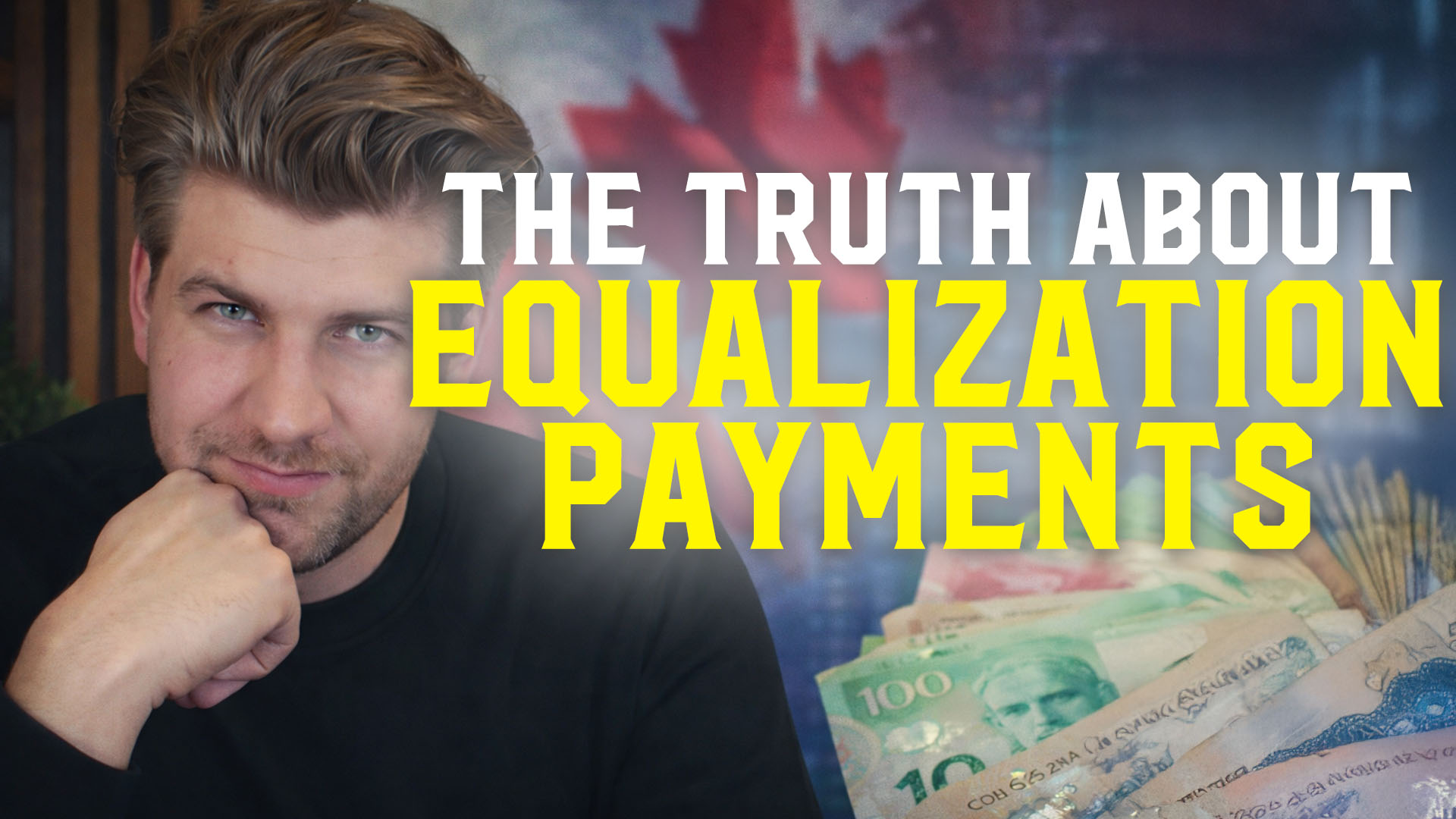
Army of Great Men YouTube thumbnail still one
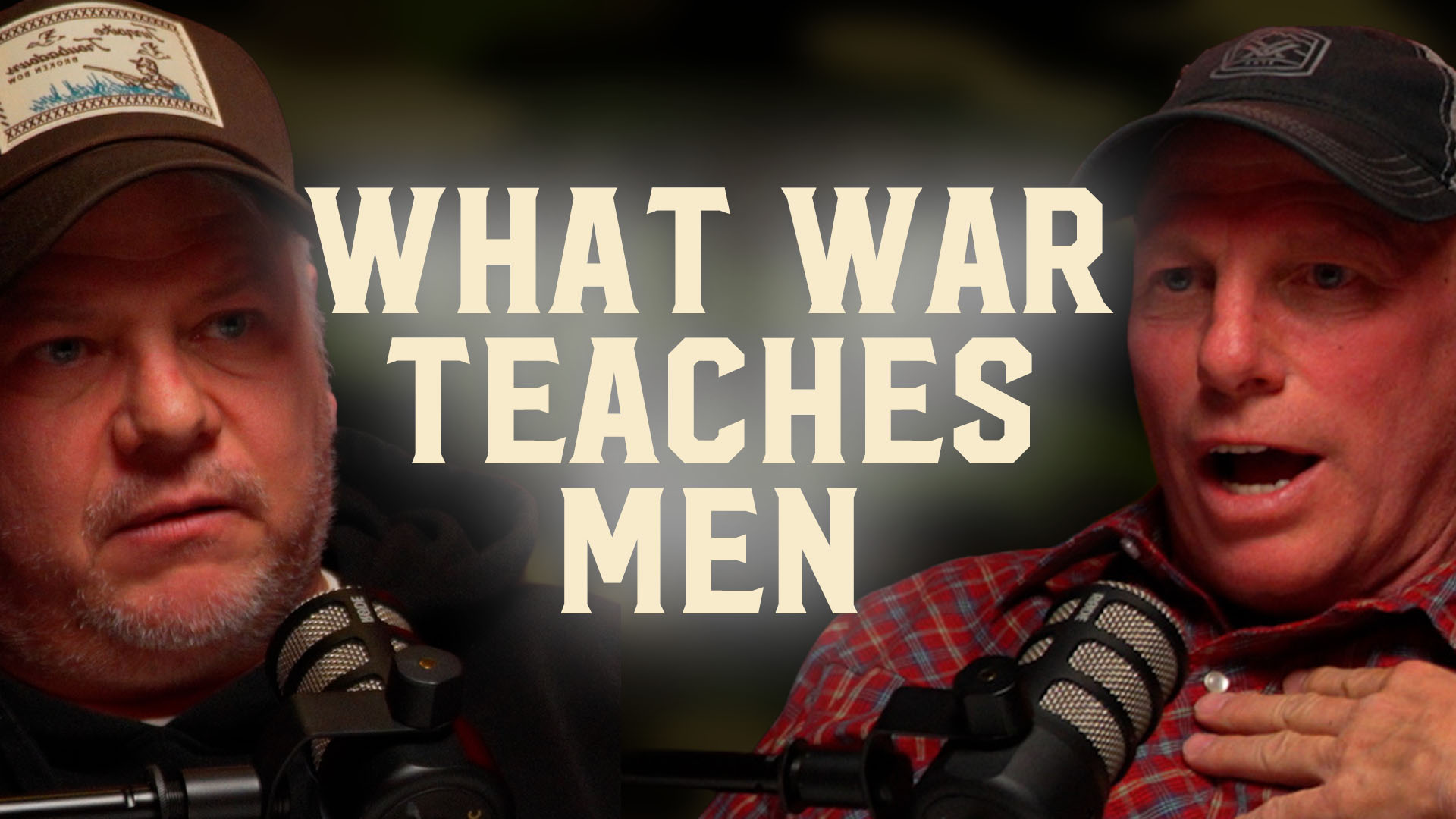
Army of Great Men YouTube thumbnail still two
Takeaway

Concept development matters most when the brand starts to get culturally noisy. The system has to hold before the relevance spike does.

Outcome
  • Clearer identity and stronger promotional consistency
  • More coherent media surfaces around a central voice
  • A concept that could act more like a brand than an idea
Handoff

From public voice-building to quieter human portraiture.

The next chapter moves from identity and media pressure into documentary sensitivity and emotional restraint.

03 / documentary intelligence

Val Burtnik

Mini-Doc Artist Portrait Storytelling Interview Cinematic Edit

A cinematic artist portrait built around vulnerability, resilience, and the life behind the work.

Hit play to watch the clip.

00:00
00:00
Context

The point was not coverage. It was presence.

This project needed more than a profile-video treatment. It needed atmosphere, pacing, and enough sensitivity to let the artist remain human instead of becoming a polished subject.

What I built

A restrained documentary portrait with interview structure, visual metaphor, artwork/process framing, and a cinematic edit built to feel intimate instead of corporate.

Project principle

The strongest documentary work often comes from not forcing the subject into a louder shape than the story actually needs.

What changed
  • The artist’s voice felt more lived-in and less performed
  • The visual language supported vulnerability instead of overpowering it
  • The project became proof of emotional range, not just technical competence
Handoff

From human-scale portraiture into atmosphere at event scale.

The next chapter expands outward into immersive environment building and experiential visual direction.

04 / immersive atmosphere

Anahata at Science World

Live Visuals Experiential Immersive Event Atmosphere Design Cosmic Direction

Immersive visuals designed to elevate a live breathwork experience into something atmospheric, expansive, and emotionally transportive.

Hit play to watch the clip.

00:00
00:00
Context

The work needed to hold a room, not just a screen.

This was about creating an atmosphere around a live experience. The visuals needed to support breath, scale, presence, and emotional tempo without becoming visual noise or stage filler.

What I built

Immersive visual direction, loopable atmosphere, meditative motion, environmental projection logic, and a broader sense of worldbuilding around the event rather than isolated assets.

Hit play to watch the clip.

00:00
00:00
What it shows
  • Experiential design thinking, not just asset execution
  • Comfort operating in a more spiritual and atmospheric register
  • Ability to create a visual world around a live environment
Project takeaway

Atmosphere is infrastructure. If the room is the medium, the visual system has to shape how the room feels, not just how it looks.

Handoff

From live atmosphere into darker narrative territory.

The final chapter narrows into tone, concept development, and cinematic worldbuilding beyond the expected commercial surface.

05 / narrative worldbuilding

Coyotes

Narrative Film World Concept Development Cinematic Direction Worldbuilding

A darker, more cinematic proof point showing range into narrative worldbuilding, tone, and concept-driven visual development.

Hit play to watch the clip.

00:00
00:00
Context

Range matters most when it reaches beyond the obvious lane.

Coyotes works as a proof point for mood, narrative instinct, tone control, and concept-world development. It shows a visual intelligence that can stretch beyond podcast, brand, and documentary surfaces.

What I built

Concept development, cinematic framing, mood-language direction, development visuals, and a darker world with enough specificity to feel film-adjacent rather than generic “cinematic” styling.

Principle

Concept-driven work only feels cinematic when the world has its own internal logic. Tone is not enough. The environment has to suggest story before the plot arrives.

What it proves
  • Genre sensitivity and darker visual range
  • Comfort shaping ideas before they become polished productions
  • Ability to think in worlds, not only in assets
Final CTA

Enough proof. Start the project.

If the work needs to feel more coherent, more premium, and more exact across the whole pipeline, this is where the next move starts.